
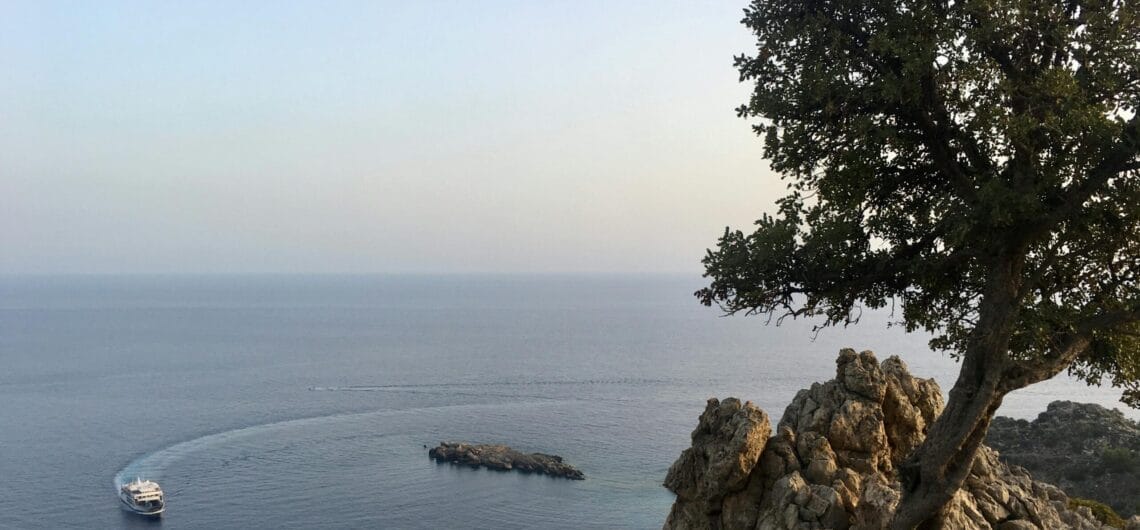
Crete vs Peloponnese: Why Your Luxury Trip Itinerary Hinges on More Than Beaches is a question that goes far beyond coastline preferences. This comparison demands attention to cultural depth, logistical realities, and the emotional texture of the journey, factors that will shape your entire Greek experience.
Choosing between these two regions means committing to distinct travel rhythms and expectations — not just different seaside settings.

Crete vs Peloponnese: Why Your Luxury Trip Itinerary Hinges on More Than Beaches
Why This Comparison Is About Culture and Logistics, Not Just Coastlines
Luxury travelers often start with beaches when comparing Crete and the Peloponnese, but the real divergence lies in how each region’s cultural offerings and transport infrastructure impact your trip’s flow. Crete’s scale and diverse micro-regions mean you’re dealing with longer drives and more complex ferry connections. The Peloponnese, while less sprawling, presents its own challenges with scattered archaeological sites and limited direct flights. Understanding these elements prevents wasted time and frustration.
Crete Wins for Travelers Who Crave an Island’s Cultural Layers and Varied Landscapes
If you want to absorb a layered cultural narrative—Minoan ruins, Venetian harbors, mountain villages—and enjoy a variety of landscapes within one destination, Crete delivers. It feels like a small country with its own internal diversity. However, luxury travelers must accept that distances are longer, and internal transfers can be tiring. For those who prioritize a seamless sequence of experiences without backtracking, Crete’s size is a trade-off worth considering.
In Crete, places like Chania and Rethymno offer sophisticated dining and boutique stays, but the drive to Knossos or Elafonissi beach demands planning. The island’s size often causes itinerary sequencing errors, especially when clients underestimate road conditions. The Ministry of Culture highlights the need to allocate enough time to key sites to avoid superficial visits.
Peloponnese Is the Choice for Travelers Who Want Compact Luxury with Easy Access to Mainland Greece
For travelers who want to combine ancient history with luxury in a compact area, the Peloponnese offers a more concentrated experience. Sites like Nafplio, Mycenae, and Epidaurus are close enough to visit comfortably without long drives. The region’s proximity to Athens means fewer overnight transfers and better flight or private transfer options.
The Peloponnese feels more grounded and less tourist-saturated but demands acceptance that the beaches here are not the primary draw. The region’s charm lies in its fortified towns, olive groves, and classical ruins. For honeymooners focused on uninterrupted romantic luxury, the Peloponnese’s intimate scale and ease of movement reduce stress and increase time for relaxation.
Crete vs Peloponnese: Why Your Luxury Trip Itinerary Hinges on More Than Beaches — The Emotional Reality
Crete’s emotional pull is a mix of rugged independence and vibrant local culture. It’s energetic and occasionally chaotic, which some luxury travelers find immersive, others taxing. The Peloponnese offers a more measured pace, with a sense of historical gravitas and provincial calm that appeals to those wanting quiet sophistication.
Travelers often underestimate how these emotional textures affect daily satisfaction. Crete’s size can feel liberating or overwhelming. The Peloponnese’s compactness can feel restful or limiting, depending on your personality and trip goals.
Practical Ferry and Transport Considerations That Make or Break Your Experience
Crete’s ferry connections mostly focus on linking with Santorini, Rhodes, or the mainland, but timing these can complicate itinerary sequencing, especially during shoulder seasons. The Peloponnese requires careful planning because ports like Kalamata or Gythio have fewer ferry options, limiting your island-hopping flexibility.
Ignoring these transport nuances leads to wasted days or last-minute compromises. For example, Crete’s large size means that flying into Heraklion but staying on the west coast adds unnecessary travel time. In the Peloponnese, driving between key sites is manageable but expect some roads to be narrow and slower than maps suggest.
Key Destinations to Anchor Your Trip in Each Region
In Crete, focus on a base like Elounda or Chania for luxury services and easy access to cultural sites. The mountain village of Anogeia provides authentic cultural immersion but requires dedicated time. The Peloponnese’s luxury hubs include the town of Nafplio for its Venetian architecture and boutique hotels, or the coastal resort of Porto Heli for seaside luxury with mainland convenience.
Both regions have excellent local wineries and olive oil estates that offer private tours, but the Peloponnese’s smaller scale makes it easier to combine these experiences without long transfers.
Decision Framework: What to Ask Yourself Before Choosing Between Crete and Peloponnese
- Do I want an island’s diverse landscapes and cultural layers, accepting longer travel times? (Choose Crete)
- Is minimizing internal transfers and maximizing proximity to Athens important? (Choose Peloponnese)
- Am I seeking beaches as the centerpiece, or is culture and history the priority?
- Do I prefer a measured, calm pace or a dynamic, varied experience?
Answering these questions honestly will clarify which destination aligns with your travel style. For luxury trips, these factors shape not just your days but the entire flow of your stay.
The Peloponnese and Crete offer different but equally rich experiences. The difference is not just geography but how each region’s character and infrastructure shape the emotional and logistical reality of your journey. For more details on the cultural sites that define these regions, the Acropolis Museum provides context on their historical significance.
The island you choose sets the sequence for everything that follows. Getting that first choice right requires knowing your own travel style as much as the destination. Elite Greece Travels builds itineraries around that logic — not around what looks good on paper.
Experiences We Recommend
These are experiences Elite Greece Travels curates for private travelers visiting this destination.
- Best Of Greece Athens Paros Crete 7 Day Itinerary 6 Nights — Itinerary
- Athens Mykonos Santorini Crete Itinerary 9 Days — Itinerary
- Athens Santorini Crete Itinerary 7 Days — Itinerary
Frequently asked questions
Which region offers better luxury accommodations, Crete or the Peloponnese?
Crete offers a broader variety of luxury accommodations, especially around Chania and Elounda, with high-end resorts and boutique hotels. The Peloponnese has fewer but very refined options, often boutique-style, concentrated around towns like Nafplio and Porto Heli.
Is Crete or the Peloponnese easier to combine with other Greek destinations?
The Peloponnese’s proximity to Athens makes it easier for seamless transfers to or from the mainland and other parts of Greece, while Crete’s ferry connections require more careful timing and usually involve longer travel days.
Are the beaches in Crete significantly better than those in the Peloponnese?
Crete’s beaches are more varied and often of higher international profile, but beaches are not the main reason to choose either region for a luxury trip. The Peloponnese’s coastlines offer quieter, less developed beaches that appeal to travelers prioritizing tranquility over classic beach resorts.
Can I visit key archaeological sites easily in both regions?
The Peloponnese has a compact cluster of major sites like Mycenae and Epidaurus that are easier to visit without extensive travel. Crete’s sites like Knossos are spread out, demanding more driving and careful sequencing.
Which region is better for a honeymoon focused on privacy and relaxation?
The Peloponnese’s smaller scale and calm pace make it better suited for honeymoons aiming for privacy and minimal travel stress. Crete’s size and activity level can feel less intimate.
Are local cultural experiences accessible in both Crete and the Peloponnese?
Both regions offer authentic cultural experiences, but Crete’s diversity and active traditional villages like Anogeia provide deeper immersion. The Peloponnese focuses more on classical heritage and provincial charm.
Do transportation challenges affect luxury travelers in Crete more than in the Peloponnese?
Yes, Crete’s size and ferry schedules require more attention to logistics, which can disrupt a luxury itinerary if underestimated. The Peloponnese’s compactness and better mainland links reduce this risk.

Comments