
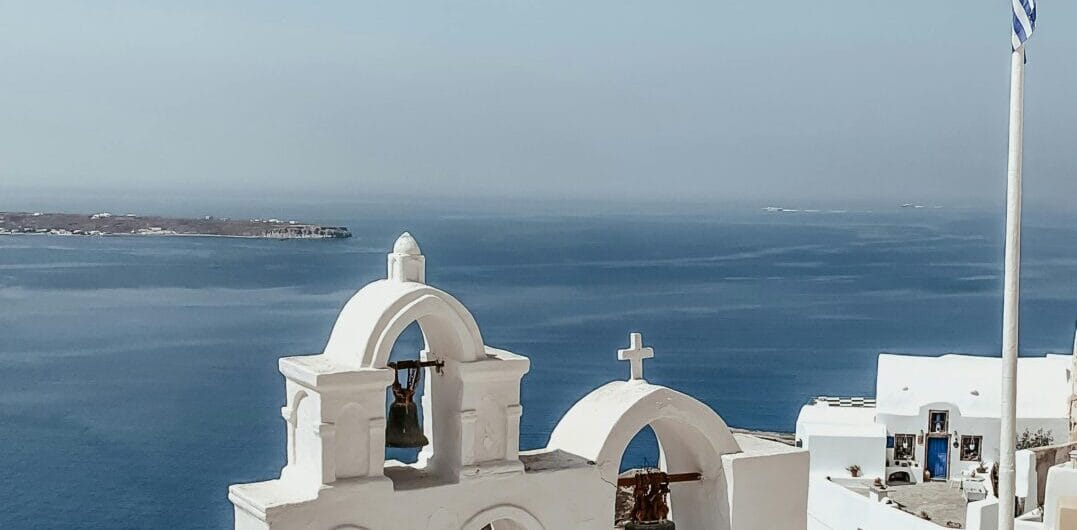
Best Time to Visit Santorini: What Most Articles Get Wrong is a question we hear daily from discerning travelers. The common refrain to “avoid August” misses critical nuances that define whether your trip succeeds or falls short.
Understanding Santorini’s seasonality requires more than a blanket statement; it demands clarity on what you prioritize, from weather and crowds to local culture and service quality.
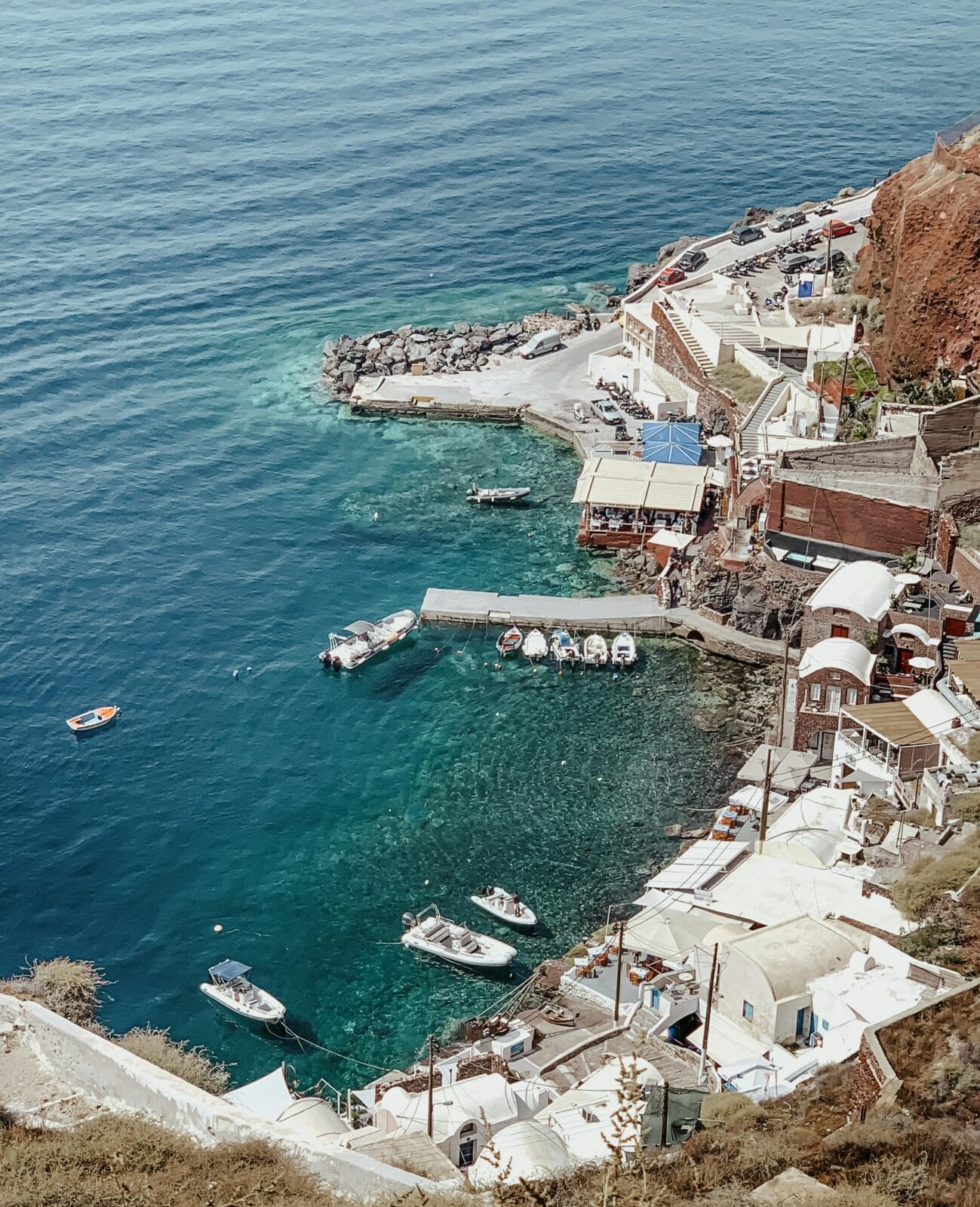
Best Time to Visit Santorini: What Most Articles Get Wrong
Two Major Misconceptions About Santorini’s Timing
First, many travelers assume that the only problem with August is overcrowding. While peak summer months do bring crowds, the real issue is that service standards and availability of authentic experiences often decline as the island prioritizes volume over quality. Second, the idea that shoulder seasons are universally better overlooks how drastically the island’s character shifts between neighborhoods and months.
Neighborhoods Matter More Than the Month
Fira, Oia, Imerovigli, Pyrgos, and Kamari each offer distinct atmospheres that respond differently to seasonal changes. For example, Oia’s sunset views draw peak crowds in July and August, making early June or late September more rewarding for those seeking tranquility without sacrificing weather. Conversely, Kamari’s beach scene thrives in late summer, but it’s less appealing in spring when the water remains cool.
Best Time to Visit Santorini: What Most Articles Get Wrong About Weather and Crowds
Contrary to popular belief, the weather difference between June and September is marginal, but the crowd density and local business operations vary widely. Many travelers underestimate how early or late in the season some restaurants and hotels close, which can turn a seemingly perfect time into a frustrating experience. The island’s microclimate also means wind patterns can disrupt afternoons in July and August, affecting outdoor dining and boat excursions.
Who This Suits: Matching Traveler Types to Timing
Luxury travelers seeking privacy and high-end service find late May to early June or mid-September ideal. Families with children often prefer July and August despite the crowds because of guaranteed open amenities and warmer sea temperatures. Active travelers focused on hiking or cultural exploration benefit from April and October when the island is quieter but still accessible. Avoid winter unless you want a near-deserted island with many closed businesses.
A Counterintuitive Observation: September Can Be More Crowded Than July
September is often touted as the perfect month, but it can be deceptively busy, especially around the first two weeks when European travelers extend their summer holidays. This surge can overwhelm local infrastructure, leading to higher prices and less availability than in July. The difference is that September crowds are less visible during the day but pack restaurants and bars at night, which can frustrate travelers expecting a quieter experience.
Trade-Offs: What You Gain and What You Give Up
Choosing early June means excellent weather, fewer crowds, and fully operational luxury services, but the sea temperature might still be cool for some. Opting for late September offers warmer waters and a lively atmosphere but risks sudden weather changes and limited availability in some venues. Winter and early spring provide solitude and low prices but at the cost of severely reduced services and unpredictable weather.
For a deeper understanding of Greek culture beyond Santorini, the
Ministry of Culture and Sports offers valuable insights into seasonal festivals and events that impact local life. Additionally, the official Greek tourism site provides updated information on island accessibility and seasonal changes that can affect your trip.
Conclusion
The difference between a frustrating Greece trip and a remarkable one often comes down to sequence, timing, and knowing which trade-offs matter for your situation. Start planning with Elite Greece Travels — a boutique agency that builds itineraries around how you actually travel.
Experiences We Recommend
These are experiences Elite Greece Travels curates for private travelers visiting this destination.
Frequently asked questions
Is August really the worst month to visit Santorini?
August is the busiest month with the highest crowds and prices, but it guarantees full operation of all services and warm sea temperatures. It’s not inherently bad but requires managing expectations about crowds.
Can I swim comfortably in early June in Santorini?
Early June offers pleasant weather, but the sea can still be cool for some swimmers. If warm water is a priority, late July to September is better.
Are there any months when Santorini is too quiet or businesses close?
Yes, from November through March many hotels, restaurants, and shops close or operate on limited hours, which can impact the overall experience.
Which Santorini neighborhood is best for avoiding crowds?
Imerovigli and Pyrgos tend to be quieter than Fira and Oia, especially outside peak months. They offer a more relaxed atmosphere without sacrificing access to key sights.
Does the weather vary significantly between Santorini’s neighborhoods?
Microclimates exist but are minor. Wind patterns can affect outdoor activities differently across the island, especially in summer afternoons.
Is September always a quieter alternative to July and August?
Not necessarily. Early to mid-September can be as busy or busier than July due to extended European holidays, impacting availability and prices.
What’s the best time for cultural events in Santorini?
Spring and early autumn host several local festivals. Checking resources like the Ministry of Culture’s calendar helps align your visit with authentic cultural experiences.
