
Why a Spring Trip to Meteora Demands Expert Timing and Local Insight is not just a headline but a reality crucial for any serious traveler. Visiting Meteora in spring can offer a dramatically different experience depending on exactly when and how you plan your days. Without precise scheduling and local guidance, what should be a smooth exploration turns into frustration with crowds and closed sites.
Why a Spring Trip to Meteora Demands Expert Timing and Local Insight
When to Visit Meteora in Spring: Early March Through Mid-April
Early spring brings cool temperatures and fewer tourists but also a higher chance of unsettled weather. The monasteries open later in the day during this period and some paths remain slippery or closed. This window suits travelers who prioritize solitude and don’t mind adjusting plans on short notice. The emotional tone is quiet and reflective, with the landscape just beginning to green after winter.
Late April to Early May: The Ideal Spring Window
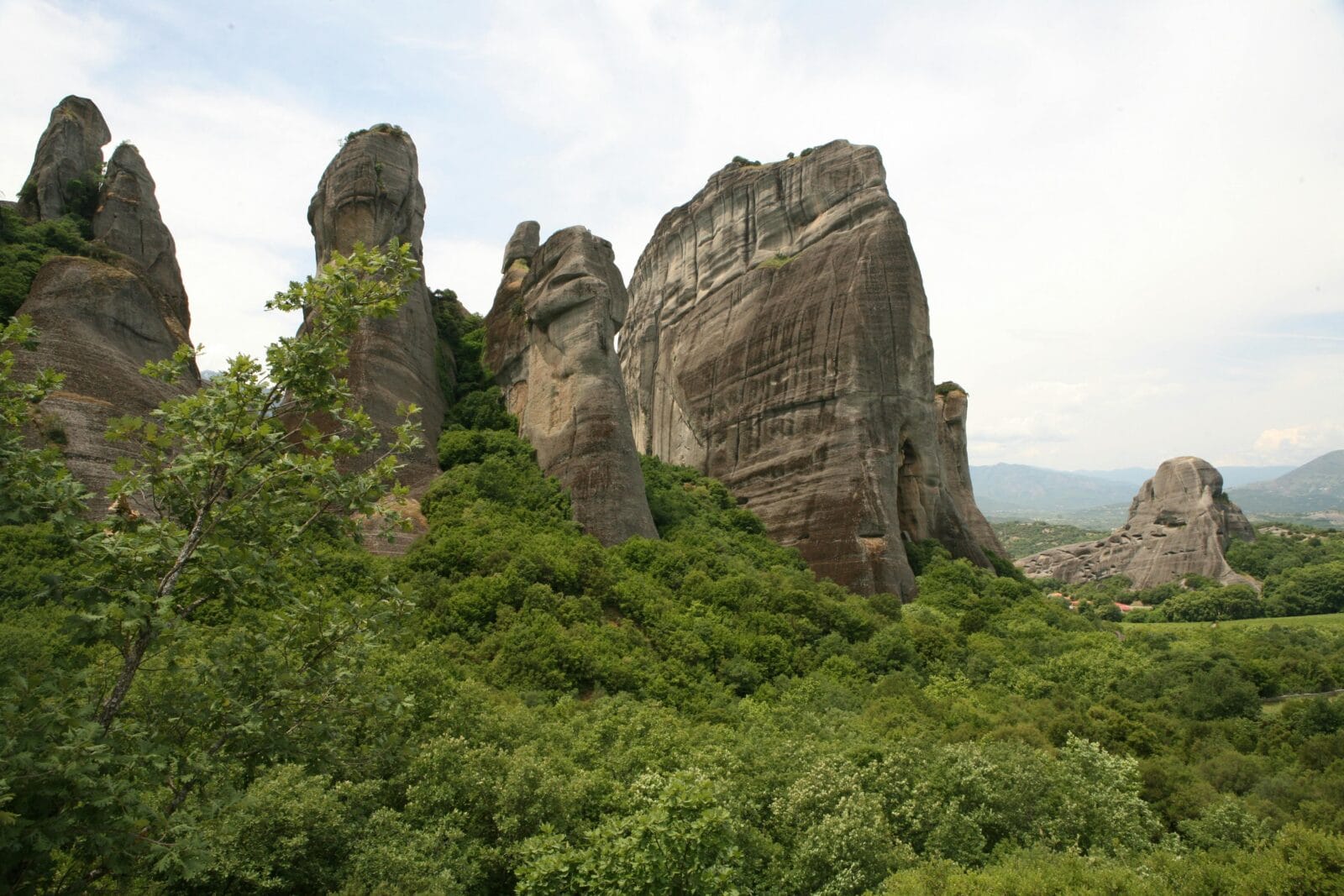
This period is the sweet spot for visiting Meteora in spring. The weather stabilizes with mild temperatures ideal for hiking between monasteries, and all religious sites are fully accessible. The light in late April enhances the rock formations’ textures without the harshness of summer sun. Crowds begin to pick up but remain manageable with expert itinerary planning. This timing benefits those who want a comprehensive visit including the less accessible monasteries and local cultural events.
Why a Spring Trip to Meteora Demands Expert Timing and Local Insight for Peak Weekends
Weekends in spring, especially around Orthodox Easter, bring a surge of domestic visitors. Most commercial guides miss that the real challenge is not just tourists but local pilgrimage traffic that can restrict access to some monasteries for hours. Expert timing avoids arriving during these peak influxes, ensuring access to sites that otherwise require long waits or missed visits.
Seasonal Changes Beyond Crowds and Temperature
Most travelers focus on crowds or weather but underestimate how spring affects monastery operations. Some monasteries close for renovations or religious holidays that are only apparent with local insight. Additionally, the quality of light and the blooming wildflowers influence photography and the sensory feel of the visit. Spring’s unpredictability means flexibility paired with local updates is critical.
Who Gains Most from Each Spring Timing Window
Early spring suits travelers who want a low-activity, contemplative experience and don’t mind some closures. Late April to early May is for active explorers who want full site access and moderate crowds. Orthodox Easter period requires travelers comfortable with shifting plans and prioritizing cultural immersion over site availability. Avoiding weekends or planning around them is essential for all spring visitors. This nuanced timing is why a spring trip to Meteora demands expert timing and local insight.
Counterintuitive Insight: Spring Crowds Are Less Predictable Than Summer
Contrary to common belief, spring crowds in Meteora can be more disruptive than summer ones. Summer tourists tend to be spread over longer days and organized group tours, while spring sees concentrated bursts during religious holidays and weekends. This means that travelers who come during supposedly “off-peak” spring weekends without local guidance can face worse access issues than in visually busier summer months. Avoiding these pitfalls requires more than just choosing a less popular month.
Planning with Authority: Why Local Insight Matters
Local knowledge provides real-time updates on monastery openings, festival dates, and weather-related trail conditions. Official Greek cultural sources like the
Ministry of Culture confirm closures but don’t offer practical visitation advice. For historical context and seasonal exhibitions, resources such as the Acropolis Museum provide background, but navigating Meteora’s unique scheduling demands boots-on-the-ground expertise. This is why a spring trip to Meteora demands expert timing and local insight for a seamless experience.
Conclusion
Timing in Greece isn’t just about weather or crowds. It’s about which version of Greece you get. Use the Elite AI Trip Planner to explore seasonal options, or contact the team for a personalized recommendation.
Experiences We Recommend
These are experiences Elite Greece Travels curates for private travelers visiting this destination.
- Greece 7 Day Itinerary Athens Delphi Meteora Santorini — Itinerary
- Athens Meteora Olympia Delphi Itinerary 7 Days — Itinerary
- Athens Meteora Santorini Itinerary 7 Days — Itinerary
Frequently asked questions
Are all Meteora monasteries open during spring?
No, some monasteries close temporarily for religious holidays, renovations, or seasonal maintenance. Local insight is necessary to know which are open on your intended visit dates.
Is spring a good time to avoid crowds in Meteora?
Spring can be unexpectedly crowded during Orthodox Easter and weekends due to local pilgrimages, making expert timing essential to avoid peak visit times.
What weather conditions should I expect in Meteora during spring?
Early spring tends to be cool and occasionally rainy, while late April and May offer mild and stable weather suitable for hiking and outdoor exploration.
Can I visit all hiking trails connecting the monasteries in spring?
Some trails might be closed or slippery early in the season. Late spring is better for full access, but local advice is crucial for safety and route planning.
How does Orthodox Easter affect visiting Meteora in spring?
Orthodox Easter brings large numbers of local visitors and pilgrimages, which can limit access to monasteries and require adjusting visit times to avoid crowds.
Is it better to visit Meteora in spring or summer?
Summer brings more predictable weather and continuous monastery access but also larger, more organized tourist groups. Spring offers a quieter atmosphere if timed correctly but demands expert planning.
Why do I need expert timing rather than just avoiding peak months?
Because crowd patterns in Meteora depend heavily on local religious events and weekends, not just month. Without expert timing, ‘off-peak’ visits can still face closures and congestion.
