
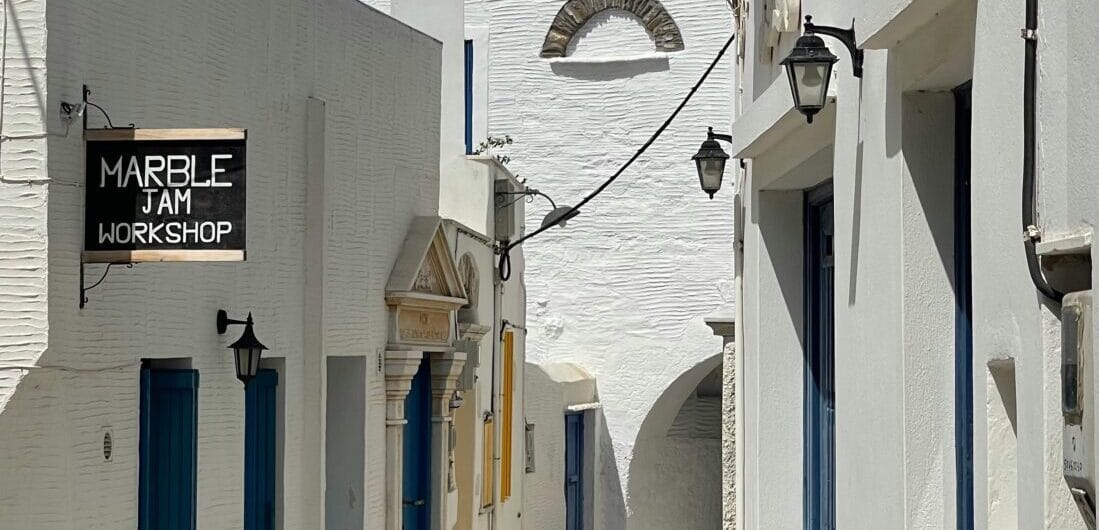
Milos Cooking Class: What to Expect and What to Ask Before You Book is essential knowledge for travelers serious about authentic culinary experiences on this Cycladic island. Many visitors assume a cooking class in Milos will be a casual, quick activity, but the reality is far more nuanced and worth understanding upfront.
Proper preparation ensures your time is well spent and aligns with your expectations, avoiding common pitfalls that turn what should be a highlight into a missed opportunity.
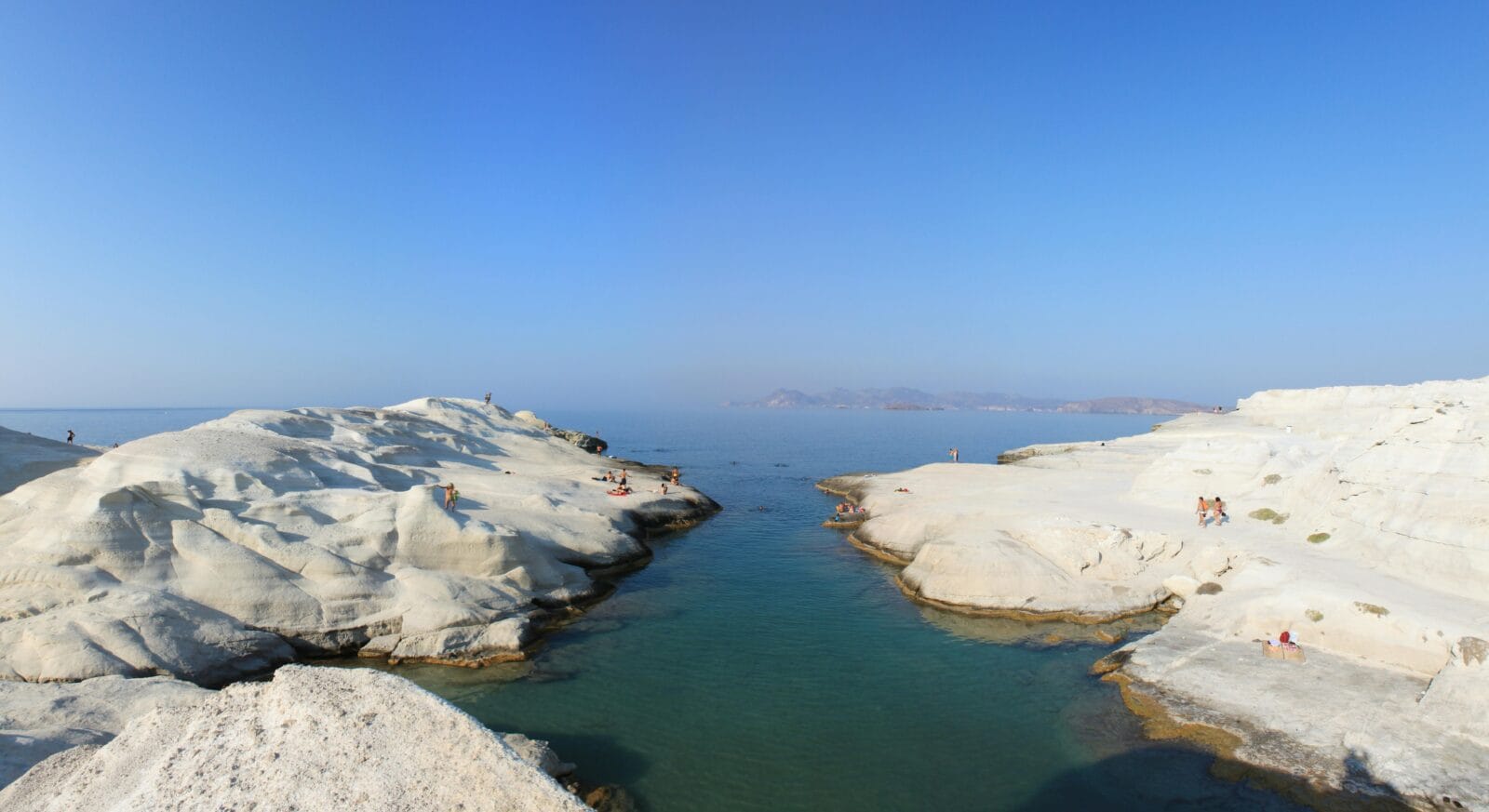
Milos Cooking Class: What to Expect and What to Ask Before You Book
Common Misconceptions About Milos Cooking Classes
The first mistake travelers make is assuming that all Milos cooking classes offer a comprehensive, hands-on experience. Many are in fact demonstrations with limited participation, which disappoints those wanting to master local techniques. Another widespread error is booking without checking the ingredient sourcing—some classes use imported or generic ingredients rather than authentic, local produce, diluting the experience.
Key Areas in Milos for Authentic Culinary Experiences
Milos is not uniform in its offerings. The fishing village of Pollonia and the main port, Adamas, host most commercial classes, often catering to tourist crowds. For a genuinely local approach, look towards Triovasalos and Trypiti, where family-run classes often involve organic garden visits and traditional wood-fired ovens. Plaka, the island’s capital, also offers more refined, boutique-style classes in stylish settings.
Milos Cooking Class: What to Expect and What to Ask Before You Book
Expect a session lasting two to four hours, often including ingredient selection, preparation, cooking, and eating. Ask explicitly whether the class includes a market or farm visit, if all participants cook every dish, and what regional specialties are featured. Confirm the instructor’s background—whether they are professional chefs or local home cooks—as the teaching style and depth of knowledge vary significantly.
Who This Suits—and Who It Doesn’t
If you want a deep dive into Cycladic cuisine, are curious about local farming, and enjoy hands-on crafting of dishes like pitarakia (cheese pies) or fresh fish recipes, this is for you. Conversely, those pressed for time or expecting a quick, entertainment-style class will find it frustrating. Similarly, travelers looking for purely vegetarian or vegan options should verify availability before booking, as many classes center on seafood and dairy.
A Counterintuitive Observation on Authenticity
Counter to popular belief, the most authentic Milos cooking experiences often happen away from the sea. While the island’s identity is maritime, inland villages preserve culinary traditions less influenced by tourism. Engaging with these smaller communities usually means slower, more intimate sessions and dishes that reflect the island’s agricultural roots more than its coastal reputation.
Trade-offs: What You Gain and What You Give Up
Choosing an authentic, small-scale Milos cooking class means gaining a meaningful connection to local culture and foodways, but it often requires flexibility in timing and transport. These classes may not have the polished facilities or multilingual support of commercial ones. Opting for convenience and modern amenities means sacrificing some of the genuineness and depth of learning. Understanding these trade-offs upfront prevents dissatisfaction.
Planning Consequences of Overlooking These Details
Ignoring these realities leads travelers to book classes that feel rushed or superficial, missing the essence of Milos cuisine. Some end up with experiences where they barely touch ingredients or eat pre-prepared food rather than cooking it. Others arrive expecting a full immersion only to find a tourist-oriented presentation. This mismatch wastes valuable time and budget on the island.
Additional Context for the Discerning Traveler
Pairing a Milos cooking class with visits to local producers enhances the experience. The island’s small-scale farms and fisheries, while elusive, offer invaluable context. For deeper cultural insight, check resources like the
Greek Ministry of Culture or the official tourism site for events or workshops aligned with traditional food culture.
Conclusion
Greece rewards travelers who arrive with a plan built around how they actually travel — not a generic template. If you’re at the planning stage and want a framework that fits your specific trip, talk to the Elite Greece Travels team.
Experiences We Recommend
These are experiences Elite Greece Travels curates for private travelers visiting this destination.
- Milos Cooking Lessons Discover The Heart Of Greek Cuisine — Tour
- Athens Milos Itinerary — Itinerary
- Athens Milos Santorini Itinerary 9 Days — Itinerary
Frequently asked questions
How long do Milos cooking classes typically last?
Most classes run between two to four hours, covering ingredient selection, preparation, cooking, and tasting.
Are Milos cooking classes suitable for vegetarians?
Many classes focus on seafood and dairy; vegetarians should verify options before booking to ensure suitable dishes are available.
Do all Milos cooking classes include hands-on participation?
Not all; some are demonstrations with limited guest involvement. Confirm the level of participation when booking.
Where on Milos are the most authentic cooking classes held?
Inland villages like Triovasalos and Trypiti offer more authentic, less tourist-driven experiences compared to the main port or popular beaches.
Is it common for Milos cooking classes to include visits to local markets or farms?
Higher-quality classes often incorporate visits to local sources, but this varies widely. Ask specifically if this is part of the itinerary.
What should I ask about the instructor before booking a Milos cooking class?
Inquire about the instructor’s culinary background—whether they are professional chefs or local cooks—as it affects teaching style and depth.
Can I find Milos cooking classes that cater to small private groups?
Yes, but these are typically found outside of the main tourist centers and require advanced booking.
